How Often Should You Restring a Tennis Racquet? | True Tension
How often should you restring your tennis racquet? It depends on how often you play, your string type, playing style and how your racquet feels. Learn the signs that your strings may need replacing — before they break.
Sep 21, 2026
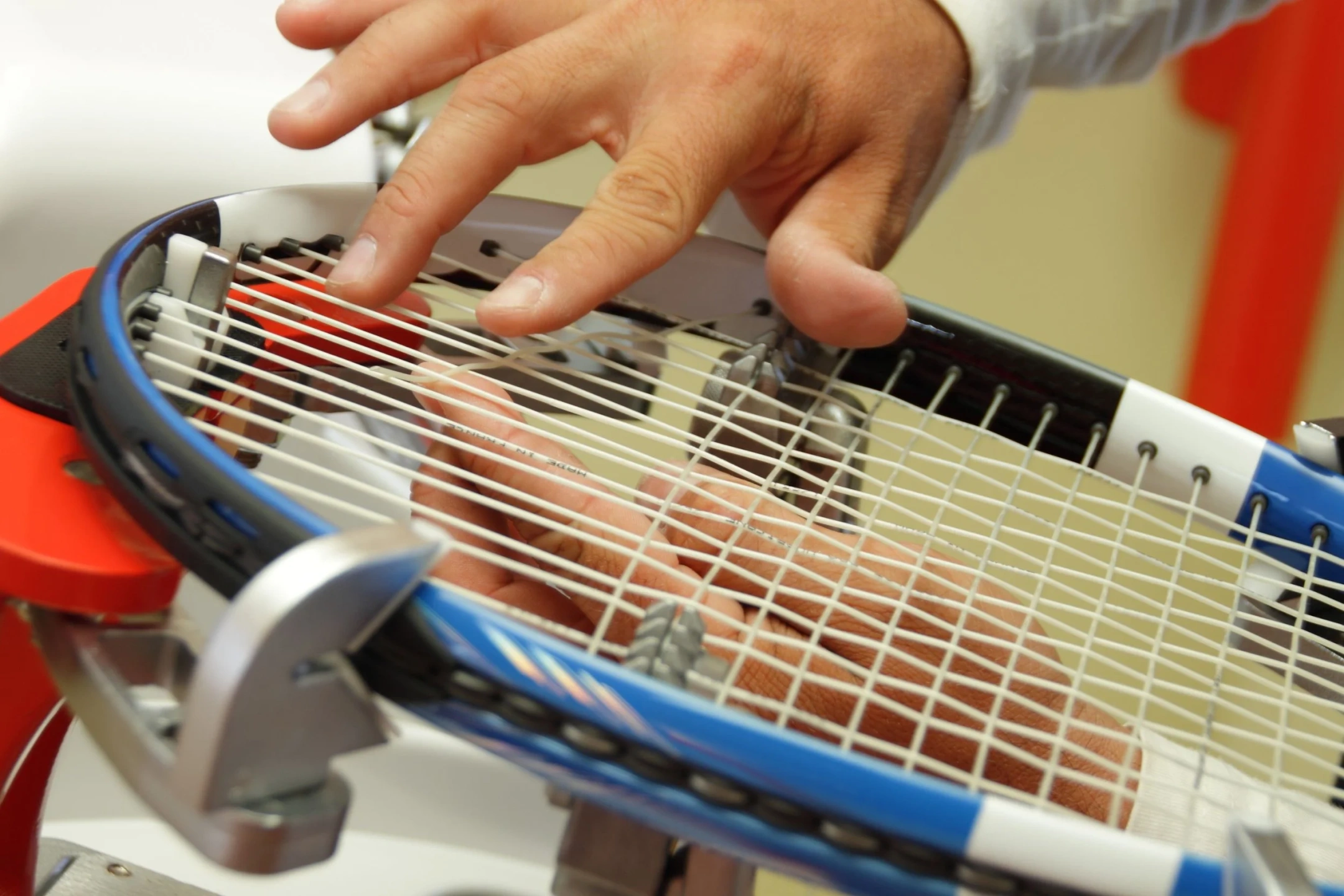
How Often Should You Restring a Tennis Racquet?
One of the most common questions I get asked is: how often should I restring my tennis racquet?
The simple answer is that you shouldn't wait until your strings break.
Tennis strings gradually lose tension, elasticity and playing characteristics from the moment they are installed. Because that change happens slowly, many players don't notice it. They simply adjust to the racquet as the strings become older.
Through many years of playing, coaching and restringing racquets, I've seen plenty of players continue using strings long after they are performing at their best.
So rather than following one rule for everyone, I think the better approach is to consider how often you play, the type of string you use, how hard you hit and, importantly, how your racquet feels.
Do tennis strings need to break before restringing?
No.
This is probably the biggest misconception around restringing.
A string can still look perfectly usable and remain intact while having lost a significant amount of the feel and performance it had when freshly strung.
Depending on the string and player, you may notice changes in control, comfort, power, spin or responsiveness well before the string actually breaks.
For some players, particularly those who don't break strings regularly, waiting for them to snap could mean playing with the same strings for a very long time.
How often should recreational tennis players restring?
If you play occasionally for fun, you obviously don't need to restring your racquet as frequently as someone playing several times each week.
However, that doesn't mean strings should remain in the racquet indefinitely.
If it has been many months since your last restring and your racquet has started to feel dull, inconsistent or uncomfortable, it's worth having the strings checked.
For recreational players, the condition and feel of the strings can often be a better guide than simply following a calendar.
What if I play several times a week?
The more tennis you play, the more frequently it makes sense to assess your strings.
A player training or competing several times each week puts considerably more hours into their string bed than someone playing socially once or twice a month.
Regular players are also more likely to notice changes in tension and response because they become familiar with how their racquet normally feels.
If you play frequently, keeping track of when your racquet was last restrung is worthwhile.
Competitive players may need to restring more often
For competitive players, consistency becomes increasingly important.
You don't necessarily want to discover during an important match that your strings have gone well beyond the point where they perform the way you expect.
Players who train and compete regularly may therefore restring considerably more often than recreational players, even if the strings haven't broken.
Tournament schedules, training volume, playing style and string choice can all influence the appropriate frequency.
Your string type matters
Not all tennis strings age in exactly the same way.
Polyester strings are popular with many stronger players because of their control, spin potential and durability. However, physical durability doesn't necessarily mean they maintain the same playing characteristics throughout their life.
A polyester string can remain intact while the way it feels and responds has changed considerably.
Multifilament and synthetic strings behave differently and may show more obvious signs of wear such as fraying.
This is one reason I don't recommend deciding when to restring purely by looking at whether the string has broken.
Signs it might be time to restring your racquet
Your racquet will often give you some clues.
You might notice that the strings are becoming heavily notched or frayed. They may move around more than they used to. The racquet might feel less responsive, less comfortable or simply different from when it was freshly strung.
You might also find yourself struggling for control or swinging harder than usual to generate the response you're looking for.
None of those things automatically means the strings are responsible for every problem in your tennis, but they're good reasons to consider the condition of your string bed.
And if you genuinely can't remember the last time your racquet was restrung, that's another pretty good sign that it's worth checking.
Does playing style affect how often you should restring?
Absolutely.
Someone who hits with significant racquet-head speed and heavy topspin can put very different demands on their strings compared with someone who hits relatively flat and plays occasionally.
String gauge, racquet pattern, tension, ball contact and playing conditions can also influence how quickly a string bed wears or changes.
That's why two people who both play three times a week may have completely different restringing requirements.
What about junior tennis players?
Junior racquets deserve particular attention because children can continue playing without necessarily recognising that their strings have changed significantly.
Parents will often replace shoes as children grow and change racquets as their tennis develops, but strings can easily be forgotten.
For juniors playing and training regularly, I'd make checking the strings part of looking after their equipment.
The appropriate restringing frequency will depend on the child's age, playing volume, level, string and racquet setup rather than simply following an adult restringing schedule.
Don't rely on the old "times per week" rule
You may have heard the traditional rule that if you play tennis three times per week, you should restring three times per year.
It's easy to remember, but I think it's better treated as a very rough guide rather than a rule.
Two players who both play three times a week could have completely different playing styles, strings, racquets and expectations.
One might break strings regularly. The other might never break them.
What matters is the actual condition and performance of your strings.
Keep a record of your restring
One of the simplest things you can do is keep track of your setup.
Record your:
String
Gauge
Tension
Date of restring
Then pay attention to how the racquet feels over the following weeks and months.
Over time, you'll get a much better understanding of when your particular setup begins to lose the feel and performance you prefer.
It also means your stringer can reproduce a setup you like or make small, controlled adjustments if you want something different.
So, how often should you restring your tennis racquet?
There isn't one number that works for everybody.
If you play frequently, compete regularly or use strings that have noticeably changed in feel, you'll generally need to think about restringing more often than an occasional recreational player.
The key point is simple:
Don't wait for your strings to break.
Pay attention to how often you play, what string you're using, visible wear and, most importantly, how the racquet feels.
Fresh strings won't fix your technique, but having a consistent string setup means you can trust how your racquet will respond and concentrate on playing your tennis.
Need your tennis racquet restrung in Adelaide?
At True Tension, we provide professional tennis racquet restringing in Adelaide for junior, recreational, club and competitive players.
If you know exactly which string and tension you want, we'll reproduce your preferred setup. If you're not sure, that's completely fine too.
Tell us about your racquet, how often you play and what you're looking for, and we'll help you choose an appropriate string, gauge and tension.
The right string. The right tension. Professionally restrung.
Book a restring with True Tension.
Need your racquet restrung? True Tension provides professional tennis racquet restringing in Adelaide, with personalised advice on string type, gauge and tension.
Text Steve on 0448 299 370 to arrange your restring or get advice on the right string and tension for your racquet.